
Temperature Inversions in Jackson Hole

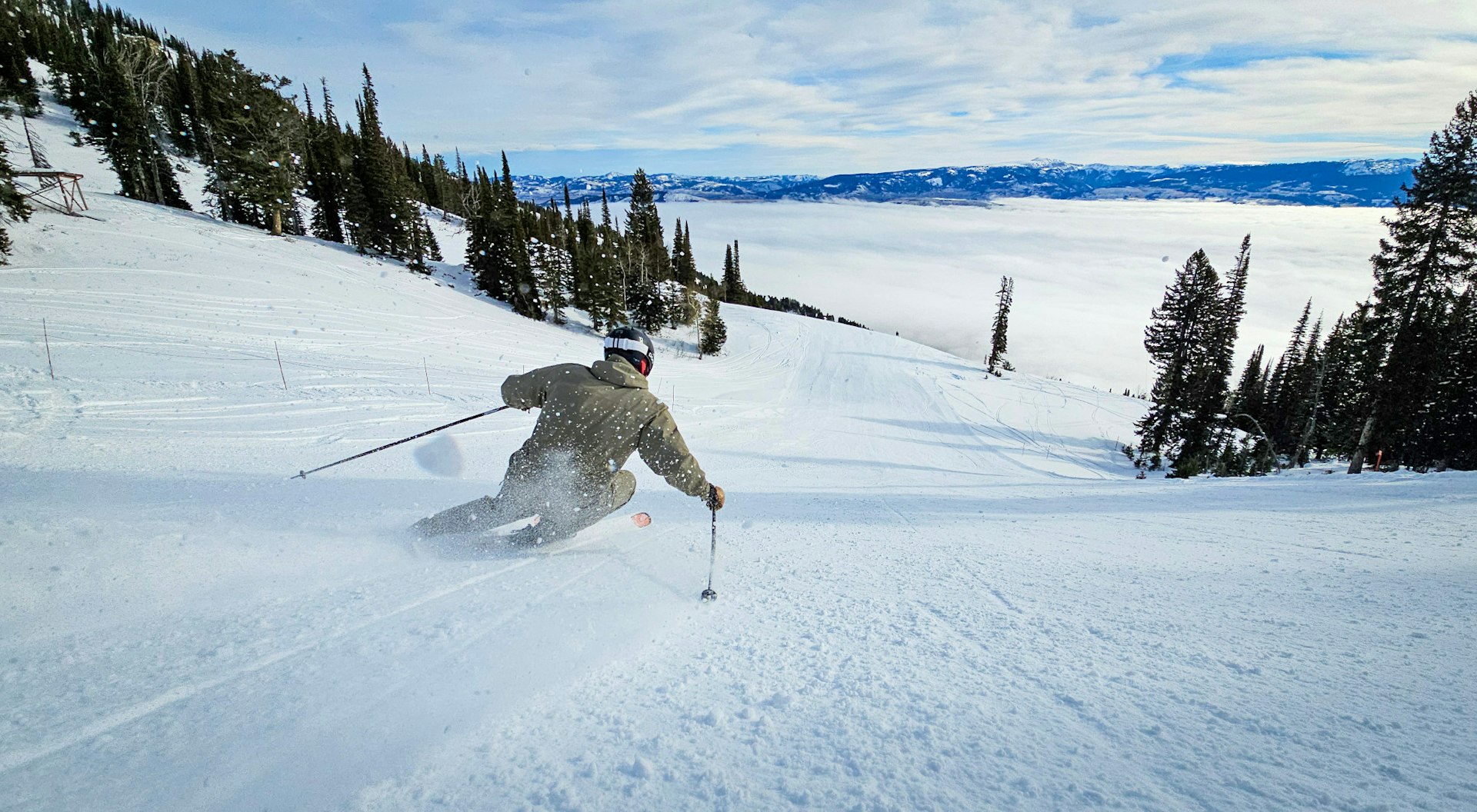
Updated 12/26/23: Temperature inversions in Jackson Hole are a weather phenomenon that all skiers and riders should be aware of. On winter days with temperature inversions in Jackson Hole, temperatures on the upper mountain can be 30-40 degrees warmer than at the valley floor. Read on to make sure you’re in the know on temperature inversions, which are perfect days to “Go Up to Warm Up” as MountainWeather.com meteorologist Jim Woodmencey says.
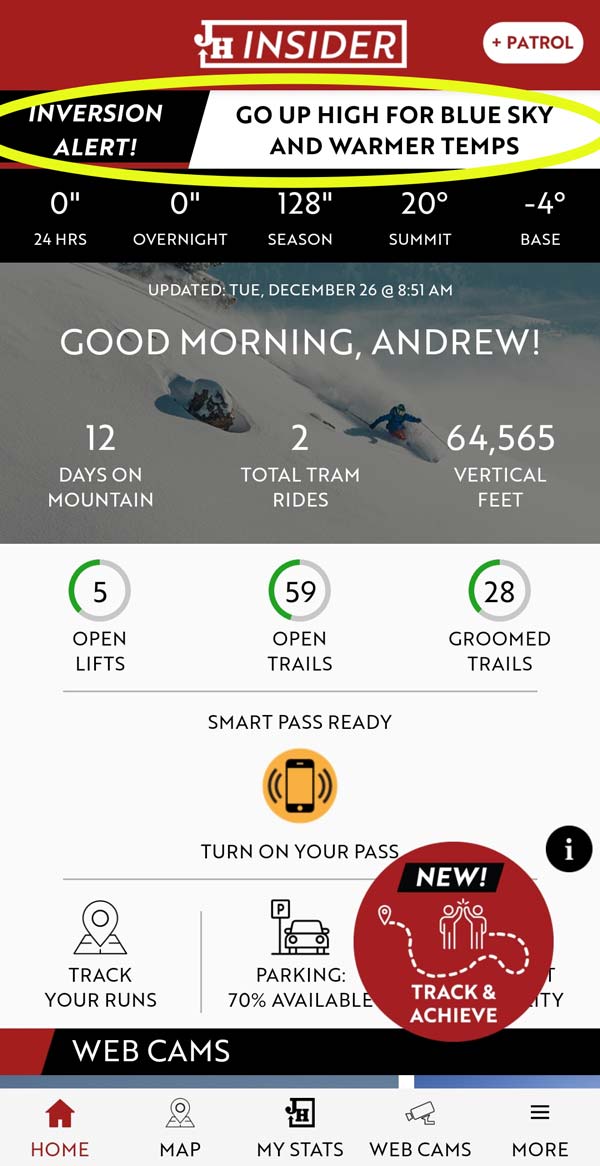
Look for the inversion alert at the top of the JH Insider app.
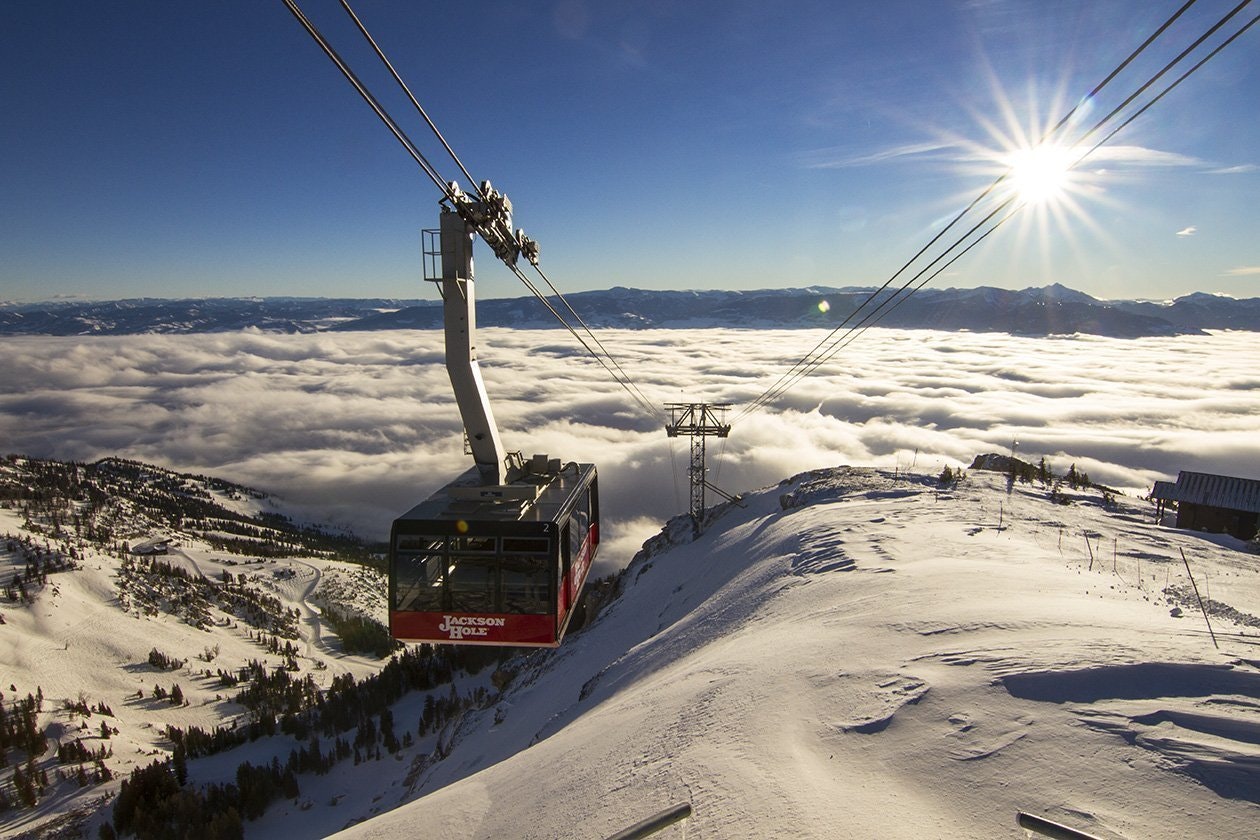
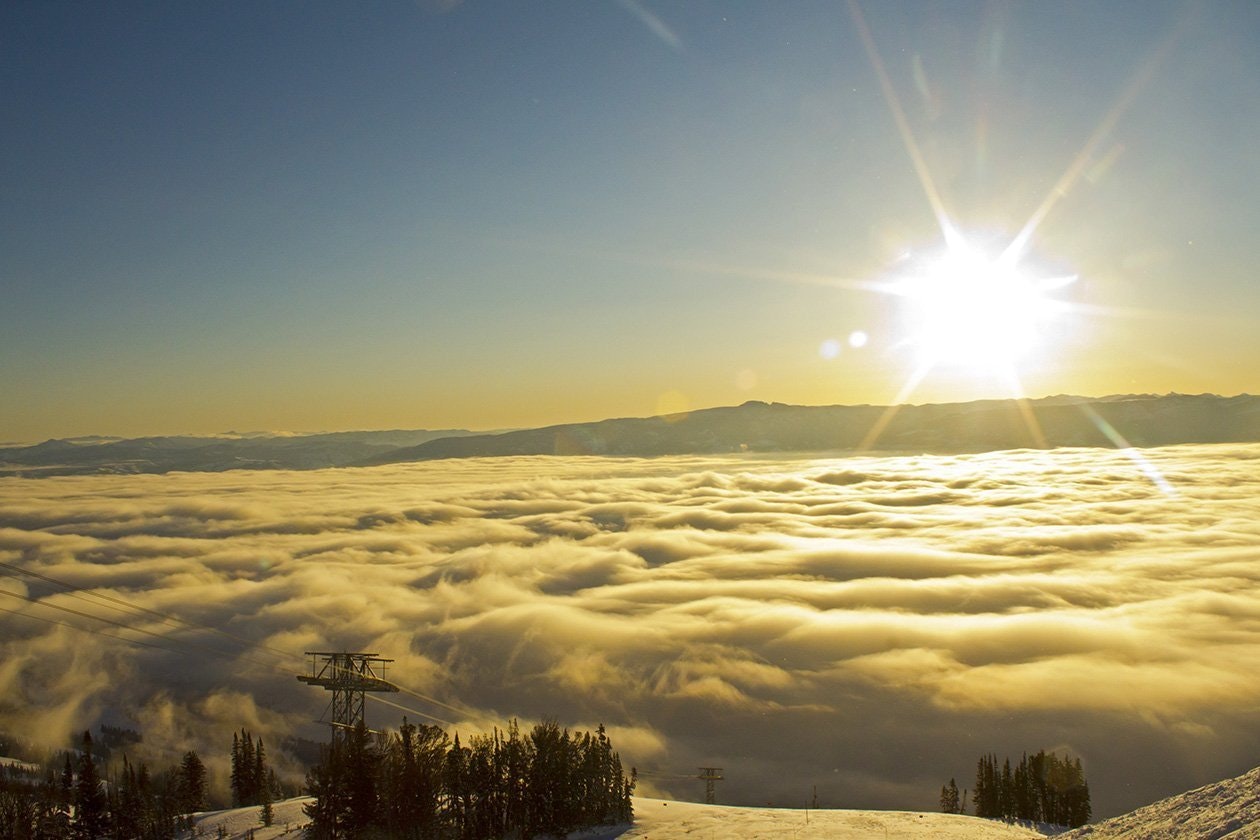
Temperature inversions are often (but not always) characterized by valley fog and beautiful sunshine above the inversion at the upper elevations. Local skiers/riders have come to call this view above the clouds the “Sea of Dreams.” Those who are in the know relish the beauty of these days and it’s almost impossible to take a bad photograph.
Without getting too in-depth on the science behind temperature inversions, you can expect to find them in Jackson Hole when we have clear skies and high pressure overhead. According to Woodmencey, “A temperature inversion is when the air in the valley is colder than the air above it.” While typically temperatures get colder as you go up in elevation, an inversion is just the opposite with temperatures increasing as you go up in elevation. According to Woodmencey, “strong inversions might see a temperature difference between the base of the mountain and 10,000 feet of 30 degrees Fahrenheit. Make sure you check the temperature forecast for both the valley and the mountains on mountainweather.com to know if it’s a good day to ‘Go Up to Warm Up’.”
The below diagram says it all. Don’t miss out on beautiful days on the mountain when it’s cold in the valley!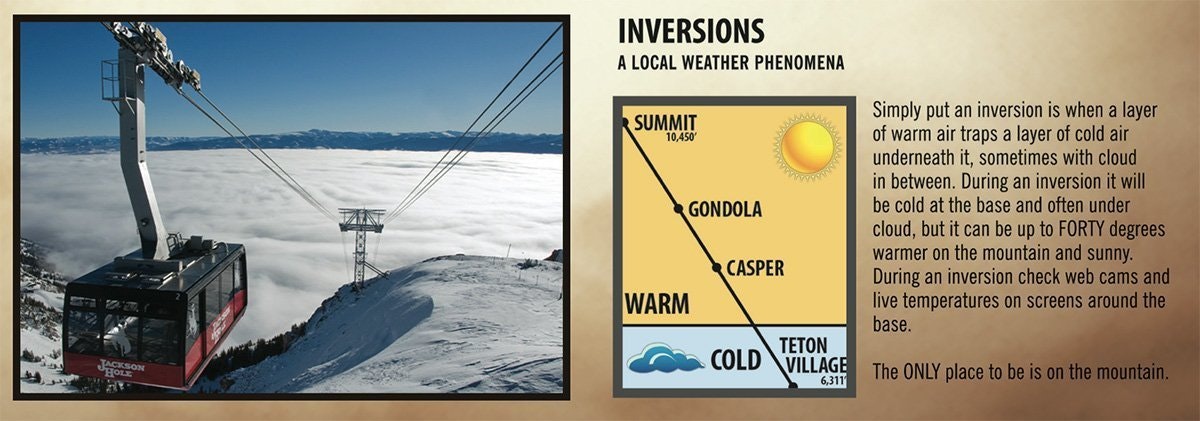
See you at the top!
From The Blog
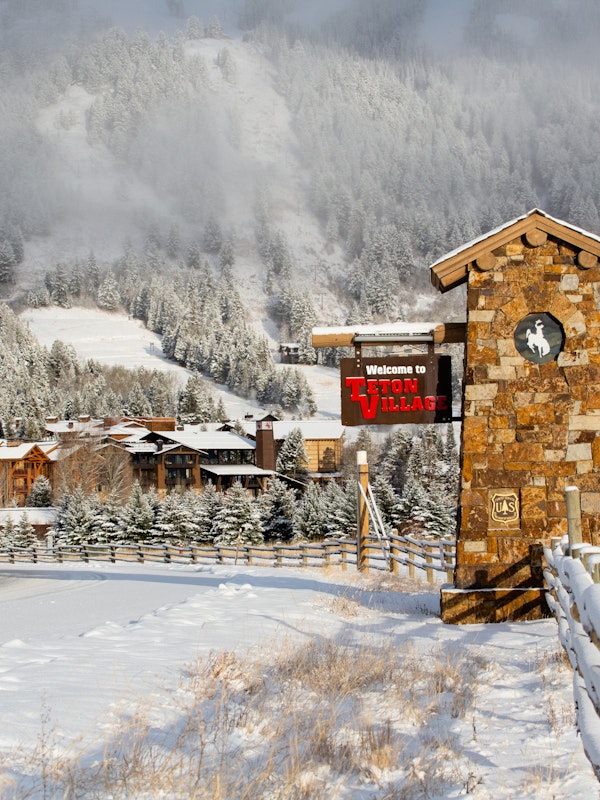
Parking & Transportation Information
Teton Village Association was created partly to help reduce traffic to and from Teton Village, and paid parking is one tool we use. Through TVA’s incentives and management, we have removed an estimated 250,000 cars off the road every ski season.
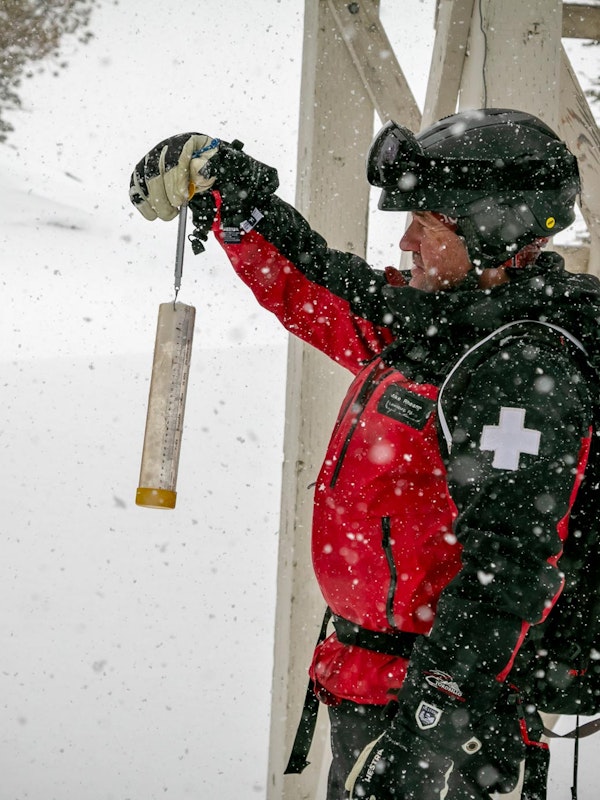
How We Measure Snowfall
Snow - it's what we live for. With so much of the year having a potential for snowfall, we thought it best to educate you on how snow measurement works here. We use raw data generated by our snow tools, which Bridger Teton Avalanche Center (BTAC) operates. Read below for an insider's look at our season totals, daily reports, and the actual snow data collected.
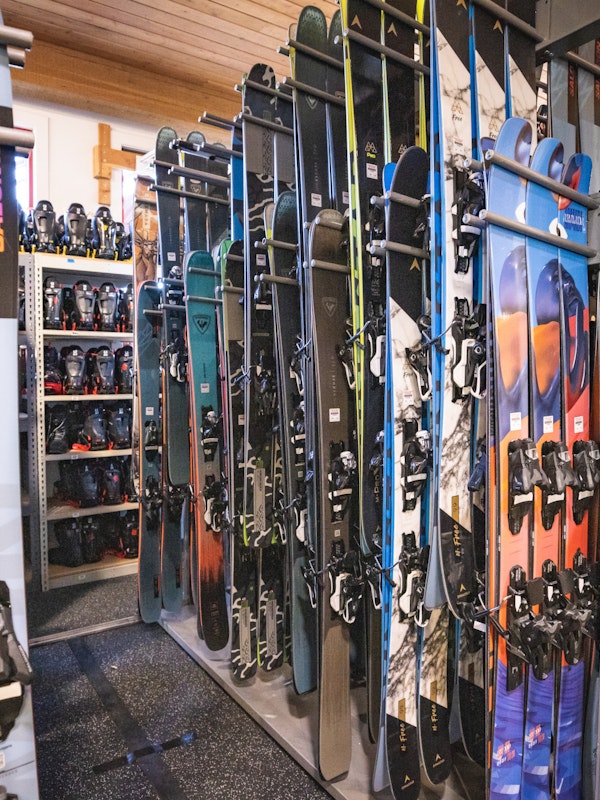
Ski & Snowboard Rentals
Renting ski or snowboard equipment is easy with Jackson Hole Mountain Resort. With four different options to choose from, quality and convenience are covered. Read on to find one that fits your needs.
Learn How to Ski
Mountain Sports School (MSS) is here to help you have your best day on the mountain whether that looks like getting first tracks down Rendezvous Bowl or putting on skis for the very first time. MSS offers a variety of different lessons, guides, and camps to help you customize your perfect experience on the slopes.