

Super El Niño and Jackson Hole Snowfall: A Deep History

There's something about the weeks leading up to ski season. The anticipation builds. We're all dreaming of the same thing: a deep, deep winter.
Untouched pow. Turns that barrel snow overhead. Sublette laps when it just won't stop snowing. These are the days we can't wait to experience again. And with opening day just around the corner, one question is on everyone's mind: what kind of winter are we in for?
From armchairs to forecasting offices around the world, winter projections emerge from every corner of the internet. This year, with a Super El Niño drawing plenty of attention, the predictions have reached another level.
So, rather than get swept up in the hype, we decided to dig into the data ourselves.
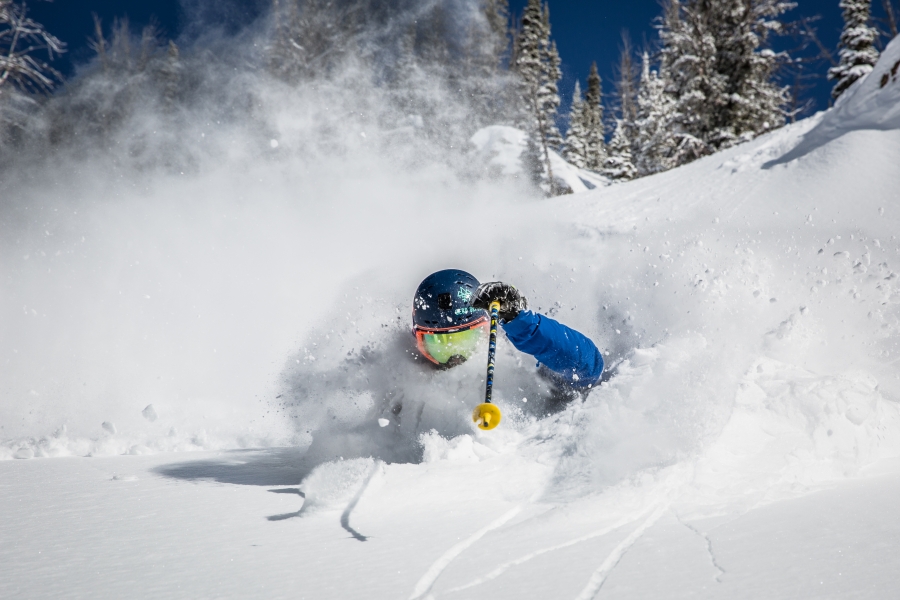
What Does Super El Niño Mean for Jackson Hole Snowfall?
El Niño influences broad atmospheric patterns, but it doesn't determine how much snow falls at a specific mountain. Jackson Hole's elevation, terrain, wind direction and individual storm tracks all play a role.
History offers a compelling perspective, one that just might get you fired up for what's ahead. The past three Super El Niño winters - 1997–98, 2015–16 and 2023–24 - show that Jackson Hole can get ridiculously deep when a winter like this one rolls around.
2023–24: 447 Inches of Snowfall
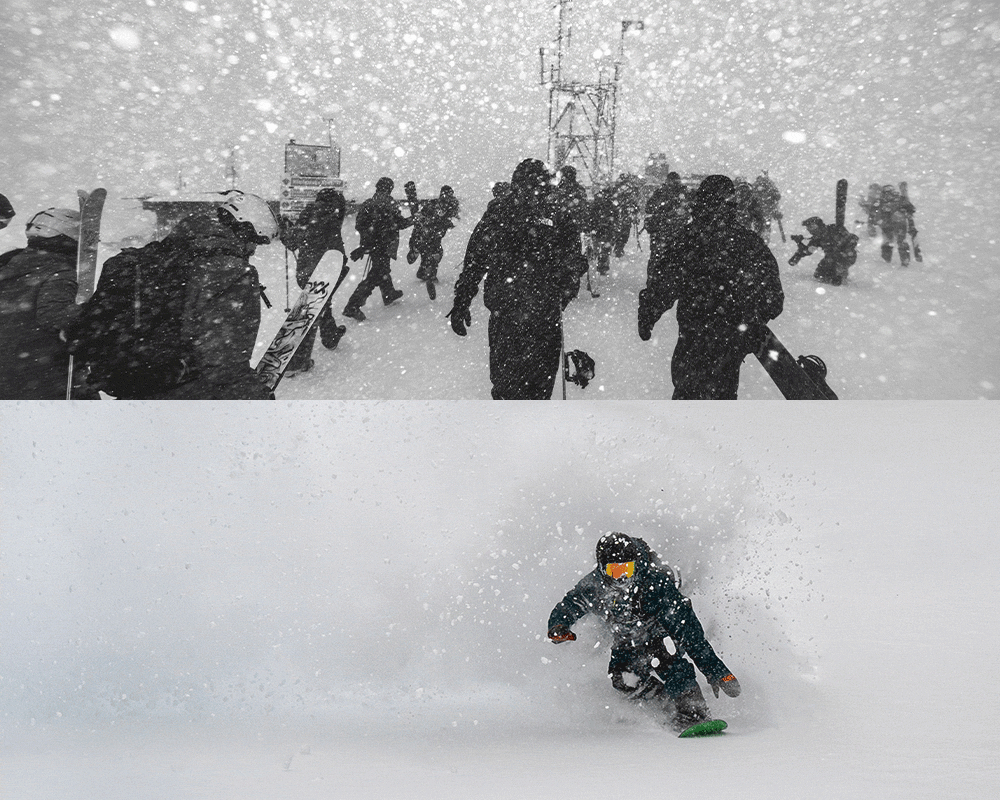
The 2023–24 winter featured a very strong El Niño that briefly reached the commonly cited Super El Niño threshold.
Winter consistently gained momentum as the season progressed. January delivered seven feet of snow, followed by 11 feet in February. Then, on March 1–2, Jackson Hole Mountain Resort recorded 31 inches in 24 hours, setting a resort snowfall record. Over that five-day storm cycle, the Raymer Plot recorded 70 inches.
The storm reached well beyond the mountain, too. The Town of Jackson recorded 17 inches in 24 hours - its second-largest 24-hour snowfall on record - and went on to record its snowiest March on record.
January, February and March were standout months, all above average and ranking as the resort's fifth-snowiest February and seventh-snowiest March on record.
The season finished with 447 inches. That's 37.25 feet of snow, remarkably close to the resort's annual average of 458 inches, with most of the snow falling within just three months.
2015–16: 416 Inches of Snowfall
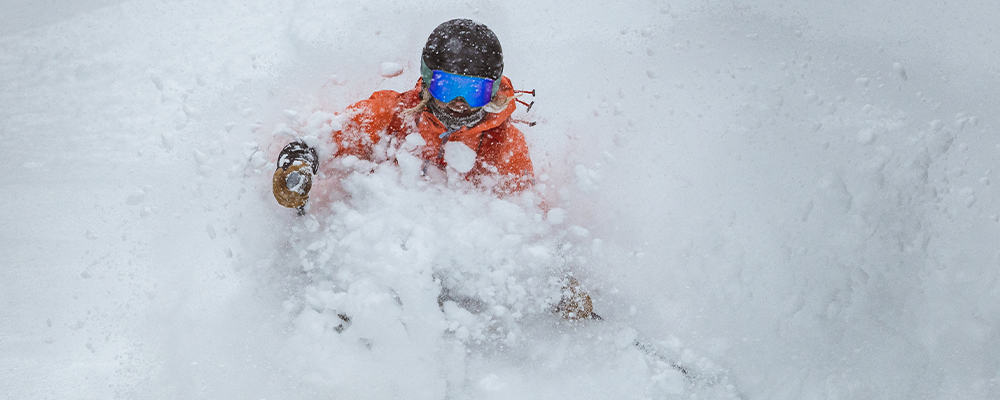
One of the strongest El Niño events on record was underway heading into 2015–16. Similar to 2023-24, once the snow started to fly, the faucet turned on for good.
The turning point was November 25, when 18 inches fell overnight. This was the kickstart the early season needed, and the snow started trickling across the Tetons from there on. But it was January and March that stood out. January brought another nine feet to Rendezvous Bowl, including 26 inches during a January 29–30 storm.
Then March stole the show. Rendezvous Bowl recorded 92 inches in March alone, bringing the season total to 406 inches by March 31 - nearly 34 feet before April even began.
Jackson Hole finished with 416 inches of snowfall. Even during a powerful El Niño, the Tetons delivered substantial storm cycles and deep powder days.
1997–98: 470 Inches of Snowfall
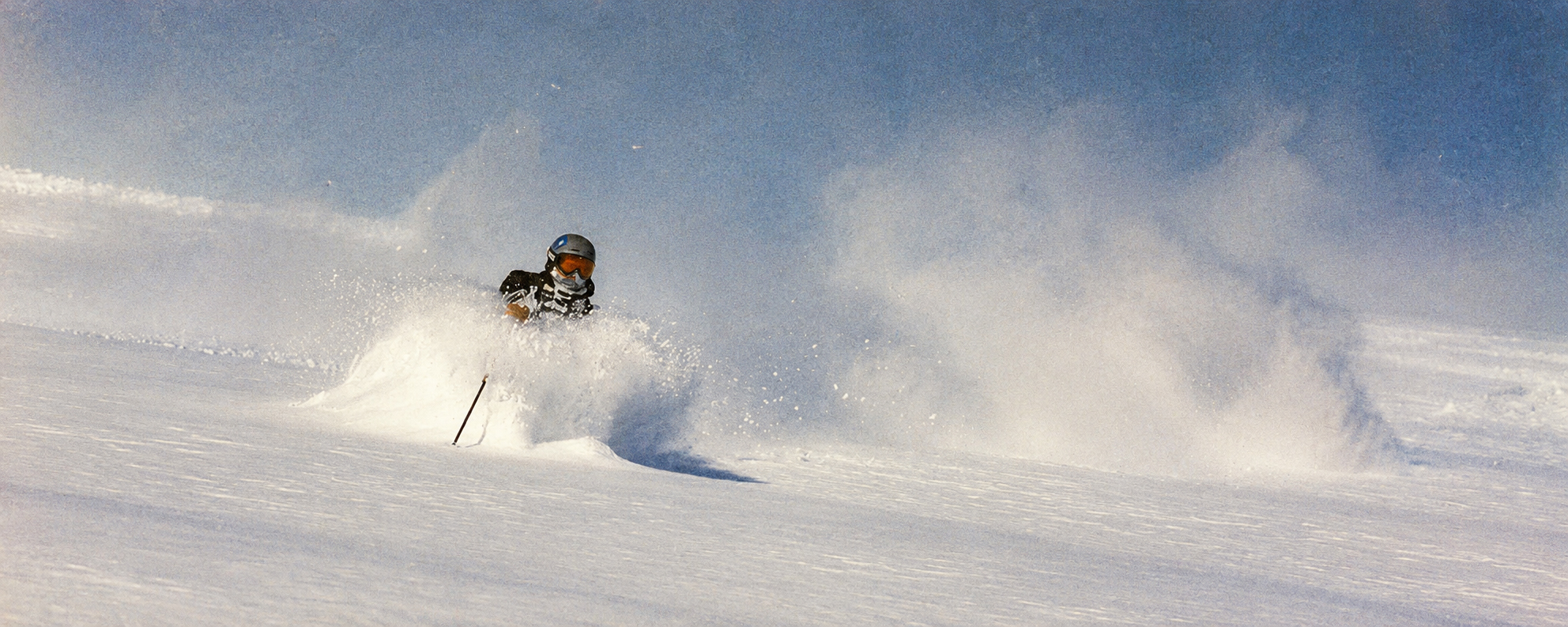
The Teton Trickle was strong in 1997-98. But, January 1998 was one for the books. During one of the strongest El Niño events on record, Rendezvous Bowl picked up 150 inches of snow in a single month - 12.5 feet, nearly double its historical January average of 84 inches. Raymer recorded an incredible 181 inches, more than 15 feet, over the same stretch.
That January total stood as a Rendezvous Bowl record for 22 years, until 168 inches fell in January 2020. By season's end, Jackson Hole had recorded 470 inches of snowfall, exceeding our annual average of 458".
The broader climate pattern told only part of the story. Jackson Hole's winter delivered historic snowfall, proving once again that a serious El Niño event can provide a season of seriously deep powder.
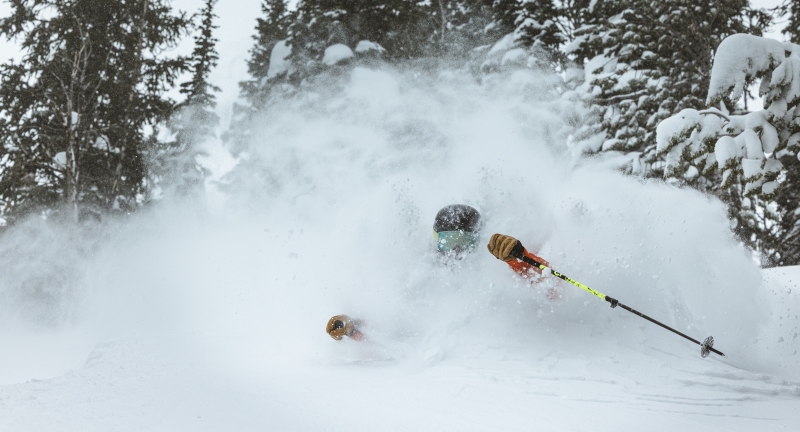
Jackson Hole's Recent Snowfall Record
We're living in a pretty incredible era for snowfall in Jackson Hole.
9 of the last 11 winters delivered above-average snowfall at Jackson Hole Mountain Resort.
Even more remarkable, six of the resort's 10 snowiest winters in the past 50 years happened within that same stretch.
And here's another interesting piece of the puzzle: back-to-back below-average winters have been very rare in Jackson Hole's historical record. Coming off a below-average 2025–26 season, that's one more historical trend worth keeping in mind.
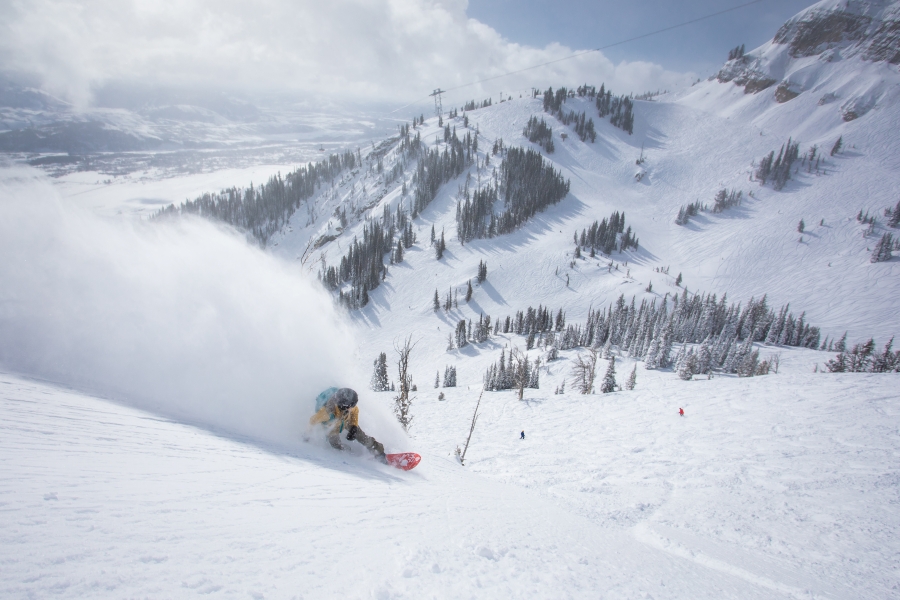
Super El Niño in Jackson Hole: The Takeaway
From record-breaking storm cycles, to extraordinary snowfall months during strong El Niño events and a remarkable run of recent winters, there’s plenty of reason to feel optimistic about the season ahead. Further, Jackson Hole averages 458 inches of snow, more than 38 feet, every winter. Even when season totals fluctuate, our mountain receives significant snowfall, regardless.
So, if you're wondering what Super El Niño means for your trip to Jackson Hole - the data doesn't promise a banner winter, but it definitely gives us plenty of reason to look forward to one. If it's anything like the past three Super El Niño winters, I wouldn't forget to pack your snorkel. Stormcycles seem to pack a punch on these years - it very well could be very deep.
We look forward to catching you on the mountain.
Sources & references:
Bridger-Teton Avalanche Center
What does an El Nino Winter mean for Jackson Hole? | Mountain Weather
TL;DR Super El Niño FAQ
In trip-planning mode and need quick answers? We got you.

Air Credit
Save $500 on a 5-Day Trip.

Lift Tickets
The earlier you buy, the more you save.
From The Blog

TGR X Jackson Hole | Actually, It Is Rocket Science
NOW LIVE: The Jackson Hole Segement from Actually, It Is Rocket Science

Peak Winter, Prime Skiing: Why You Should Visit Jackson Hole in January
JH Dreaming? January's the Answer.

Blank Canvas: The Early Tram Experience
Early access. Skip the lines. Own the mountain.

WAFFLE BOYS
Waffle Boys follows Tucker Carr, Luke & Wyatt Gentry as the seasons change. Spatulas are traded for skis, but waffle consumption remains consistent. Watch now—side effects may include intense hunger for powder turns and waffles.